Nationwide coverageOur cities
Vetted local photographers in twelve Spanish cities and destinations. They know which hour a place is still empty and which sites refuse a session outright.
12 cities
Search a city
Madrid
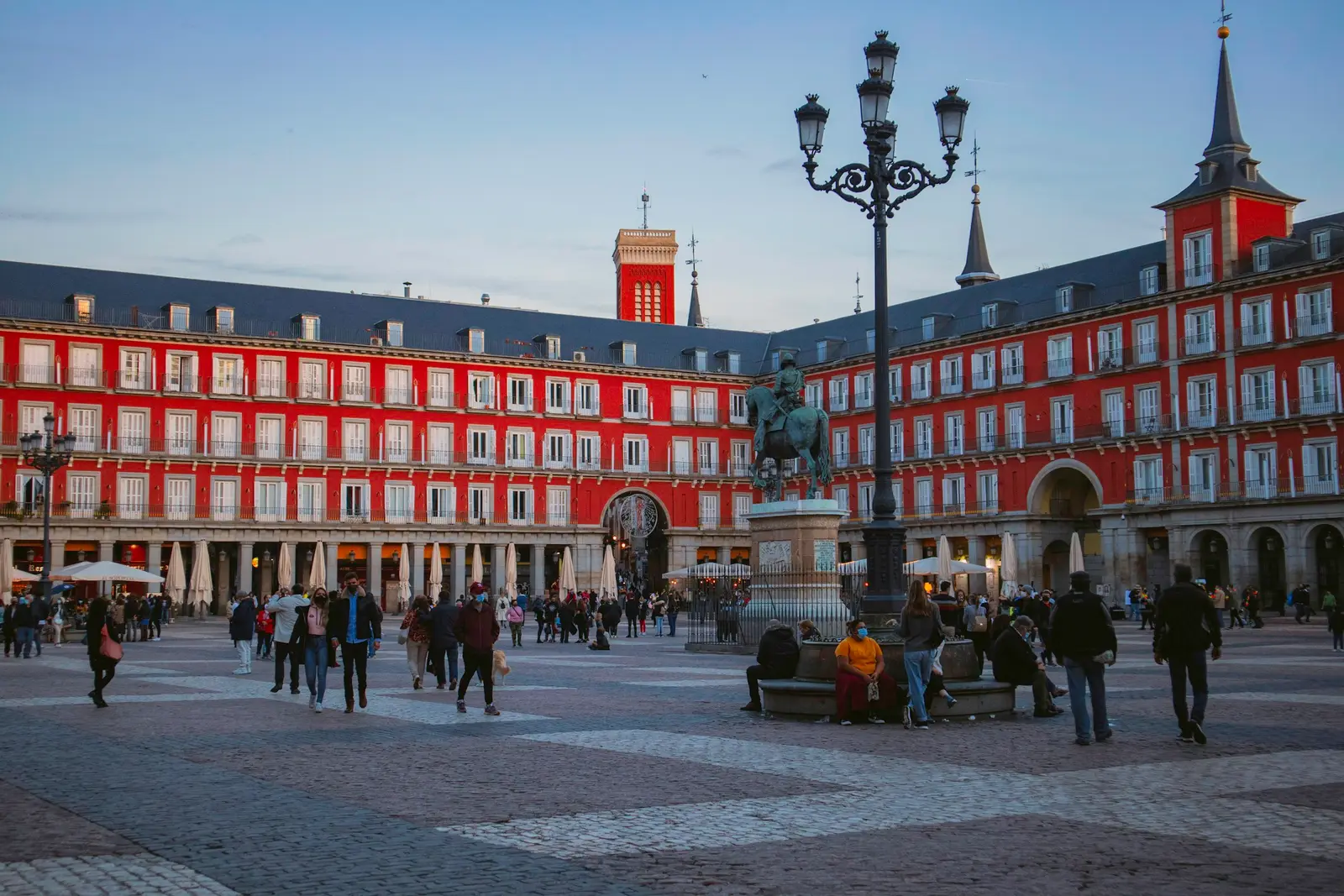
The altitude is the whole explanation. There is less atmosphere overhead than anywhere else you will photograph in Spain, and almost no humidity to scatter what gets through, so the sun arrives as a point source: shadows with edges you could cut yourself on, and a gap between the lit and the unlit side of a face that no sensor handles gracefully. In July, between noon and seven, this is simply not a city you can photograph people in outdoors, and pretending otherwise is how a session gets sold and then quietly ruined. The same physics is a gift for five months of the year. From late October the sun never climbs high enough to do that damage, and Madrid gets something the coast never does — a whole short day of low, clean, raking light, from about nine in the morning until half past five, with no haze in it. A December session here has no bad hour. The other structural fact is that the centre is walkable and the good things are close together: Retiro to Cibeles to Gran Vía is thirty minutes on foot through three completely different cities.
Explore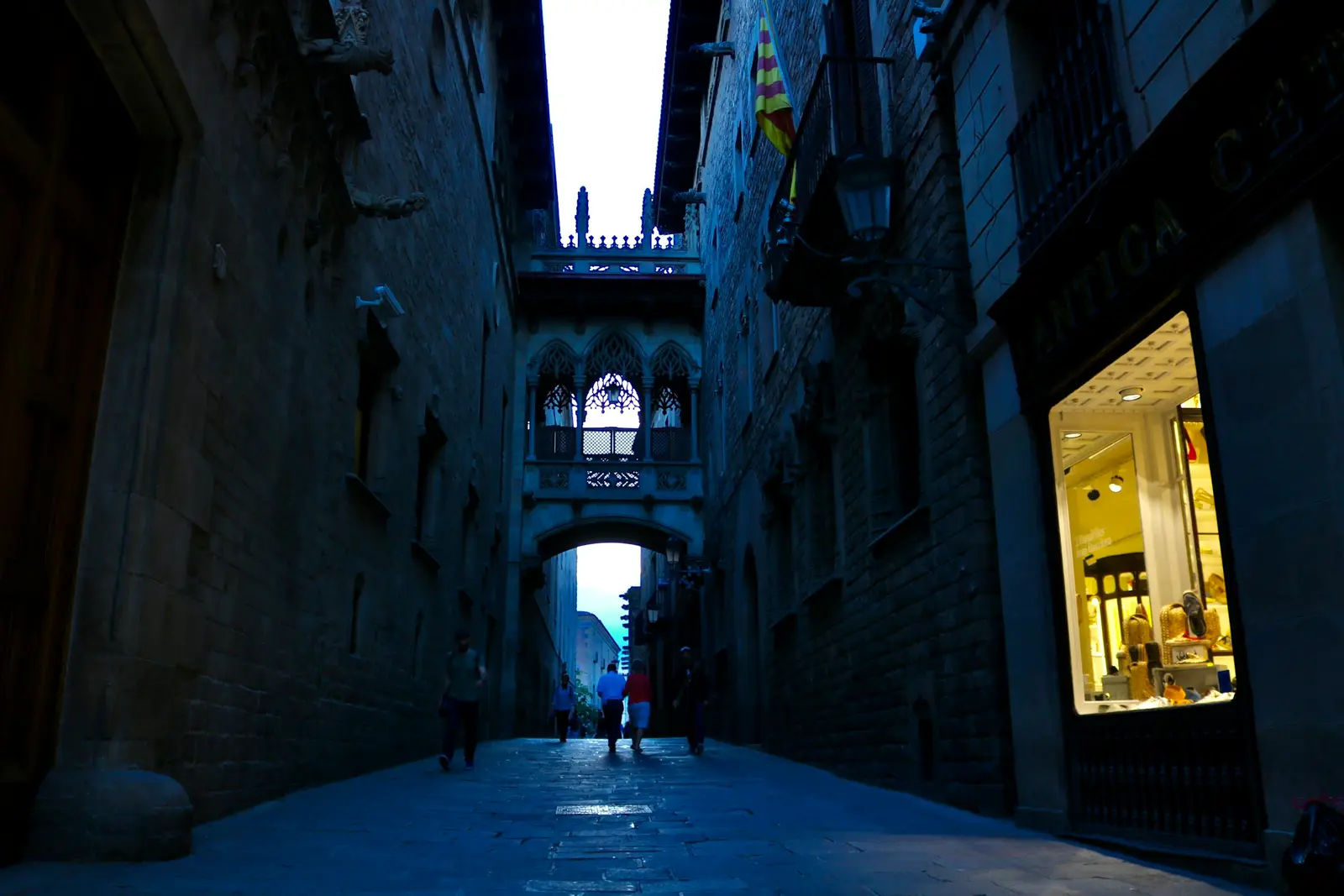
Barcelona
The coastline runs north-east to south-west and the city sits behind it facing the water, which settles almost every question about when to be where. The Barceloneta and the whole seafront get the sun coming up out of the Mediterranean and are lit from the front at six in the morning; by two in the afternoon they are a wall of glare, and at sunset they are simply in shadow. The hills do the opposite. Montjuïc, the Bunkers del Carmel and Park Güell look back over the city to the west, so they hold the last hour and the city underneath them turns gold while the sea behind has already gone grey. The Gothic Quarter is a separate problem with a separate answer. Those streets are three metres wide and five storeys deep, so direct sun reaches the ground for perhaps forty minutes a day and the rest of the time you are working in a light well — soft, even, cool, and about four stops darker than the square you just left. That is not a limitation. It is the only place in this city where a portrait can be made at one in the afternoon in July, and it is why the Gothic Quarter is on the morning half of every itinerary rather than being skipped as "too dark".
Explore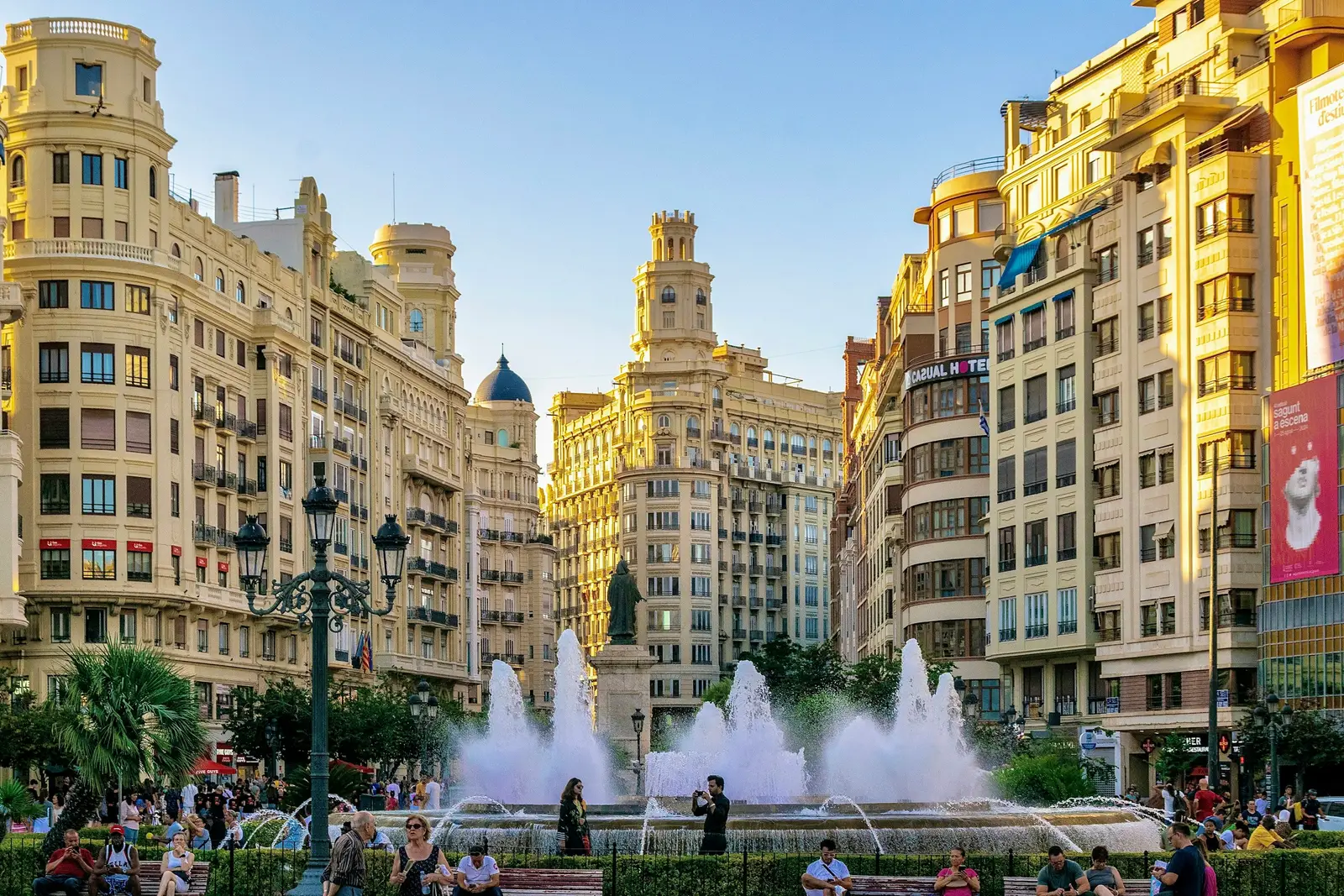
Valencia
The Turia is the fact that makes this an easy city to photograph in. After the 1957 flood the river was diverted around the city and the old bed was left, and it is now nine kilometres of park running through the middle of Valencia, sunk five metres below street level and planted with mature trees. That depth and that canopy mean there is dappled, usable shade along the whole length of it at two in the afternoon in August, which no other Spanish city of this size can offer. The east-facing coast gives the other half. The Malvarrosa and the Cabanyal get the sun straight out of the Mediterranean, and the Cabanyal behind them is a grid of low fishermen’s houses faced in glazed tile — cobalt, green, ochre, every house different — that is lit frontally for the first two hours of the day and then goes into shadow. It is the most colour available anywhere in this catalogue, and it is at its best at seven in the morning, which is the hour almost nobody asks for.
Explore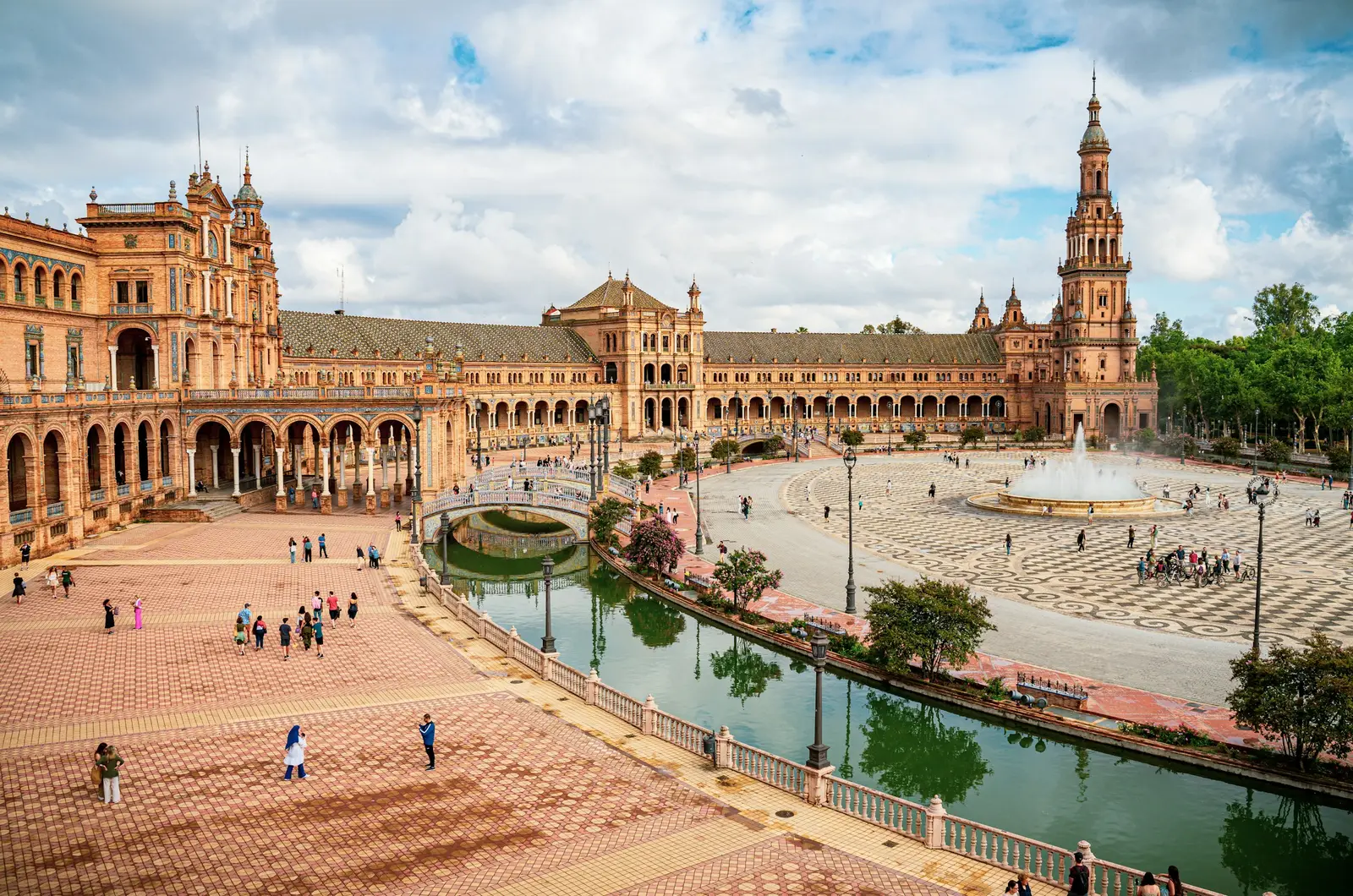
Sevilla
From June to September this city reaches 40 degrees by one in the afternoon and holds it until eight. That is not a detail to plan around; it decides the entire shape of a session. Nothing outdoors happens between eleven and eight, the ceremony is at eight in the evening, and the light that everyone remembers from photographs of Seville is the twenty minutes after the sun has gone, when the sky is still bright and the walls give back the day’s heat as a warm bounce that no lighting kit reproduces. Santa Cruz is the engineering. The streets are barely wide enough for two people because they were laid out to shade each other, the courtyards are planted and watered to drop the air temperature by six or seven degrees, and the whole quarter is in open shade from mid-morning. Add the awnings — the toldos strung across Sierpes and the streets around the cathedral from June — and you have a city that has spent five hundred years solving the exact problem a photographer arrives with. Use it and August is workable. Ignore it and April is not.
Explore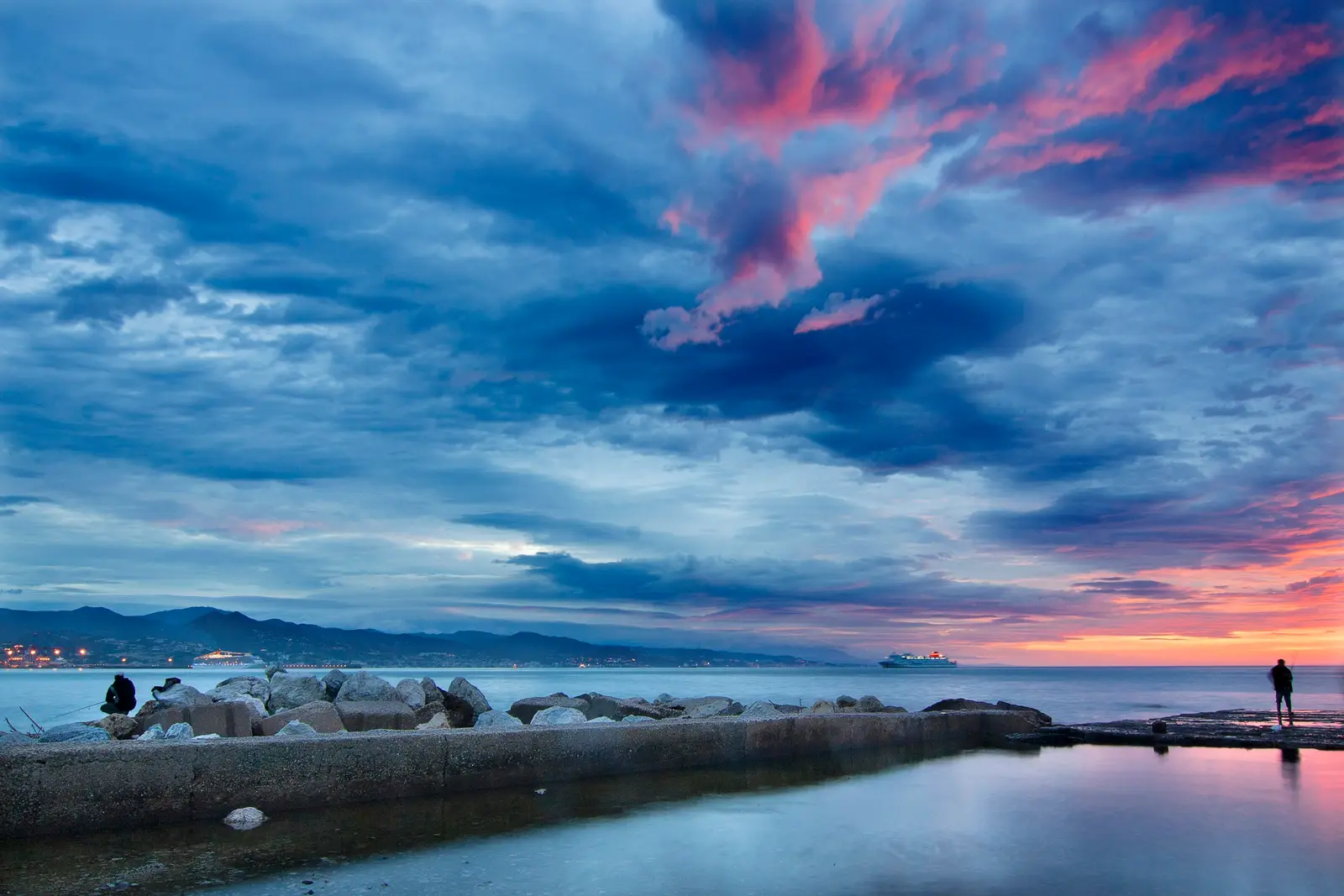
Málaga
A south-facing coast with the Montes de Málaga blocking the north wind produces a winter that barely exists: 18 degrees in January, sun on 320 days, and a sea that never gets cold enough to change the light over the city. That single fact reorganises the year. Everywhere else in Spain the good months are spring and autumn and the winter is a compromise; here December through March is the main season, and it is when the light is at its best — low, clean and warm, with the sun tracking across the south side of the city all day instead of passing overhead. What the city gives on top of that is vertical range in twenty minutes. The Alcazaba and the Gibralfaro sit on a hill directly above the old town, so you can be at sea level in the Muelle Uno, in a Moorish fortress two hundred metres up, and back in a street of tapas bars, inside a single session on foot. Summer is the only hard part, and it is hard in the coastal way — not Seville’s dry 40 but a humid 32 that photographs poorly because the haze takes the contrast out of everything past a hundred metres.
Explore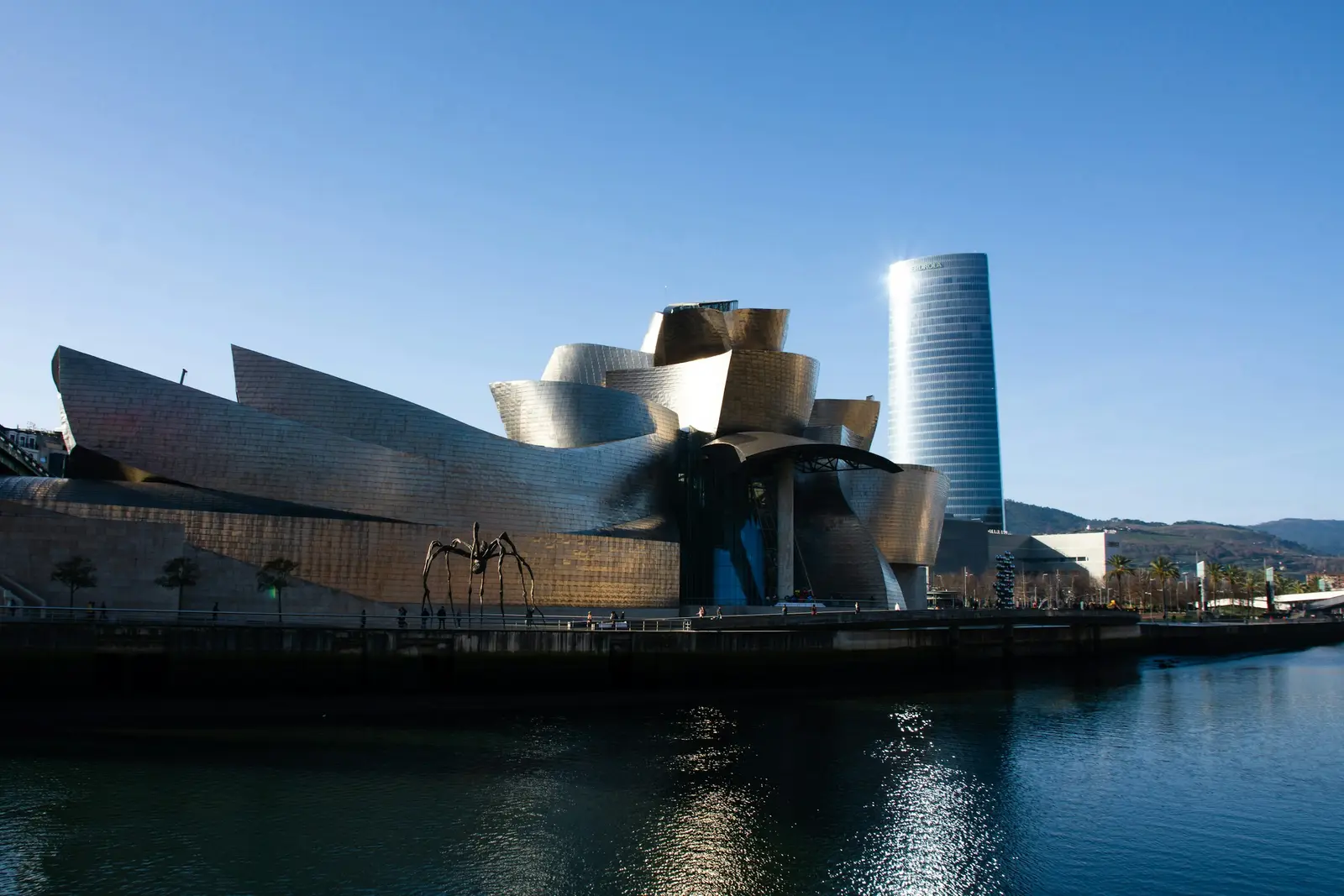
Bilbao
Every other city in this catalogue is a negotiation with a hard sun. Bilbao is the opposite problem and the easier one. The Atlantic keeps a lid of high cloud over the city for most of the year, which means a soft, even, directionless light from nine in the morning to seven at night, no blown highlights, no closed-up shadows, and no bad hour to be outside. Photographers who work here stop thinking about the time of day within about a month and start thinking about the rain instead. The rain is the sirimiri — a fine, continuous drizzle that is closer to standing inside a cloud than to being rained on. It does not stop a session; it changes what the session looks like, because wet pavement doubles every light in the city and the Guggenheim’s titanium goes from pale grey to something like pewter. The people who cancel for sirimiri get the same photographs everyone else has. The ones who bring a coat get the version of Bilbao that is actually here.
Explore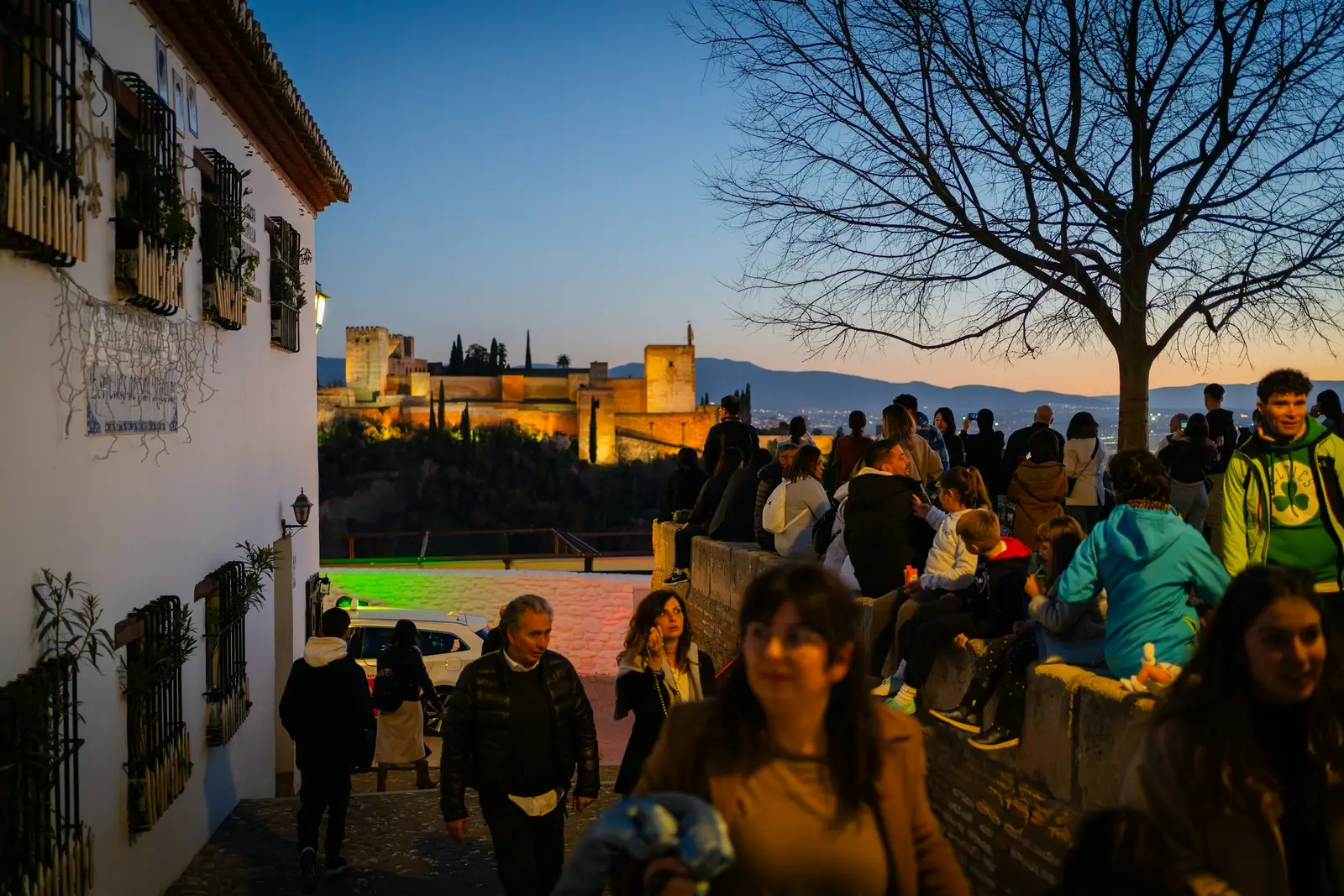
Granada
The city sits at 680 metres in a fertile plain with the Sierra Nevada rising immediately behind it to three thousand. That geography produces the photograph Granada is actually for: 20 degrees in the Plaza Nueva, the mountains white above the rooftops, and no haze in between because the air here is as dry as Madrid’s. From November to April it is reliable. In summer the snow is gone, the plain traps heat at 38 degrees and the Alhambra is a long queue in full sun. The Albaicín is the other half and it is steeper than photographs suggest. The streets are cobbled, they run at grades that stop conversation, and the whole quarter faces east across the ravine at the Alhambra — which means the Alhambra is lit by the setting sun while you stand in shade looking at it. That single orientation is why the Mirador de San Nicolás is famous and why every serious frame here is made in the last hour of the day from the Albaicín side, never the other way round.
Explore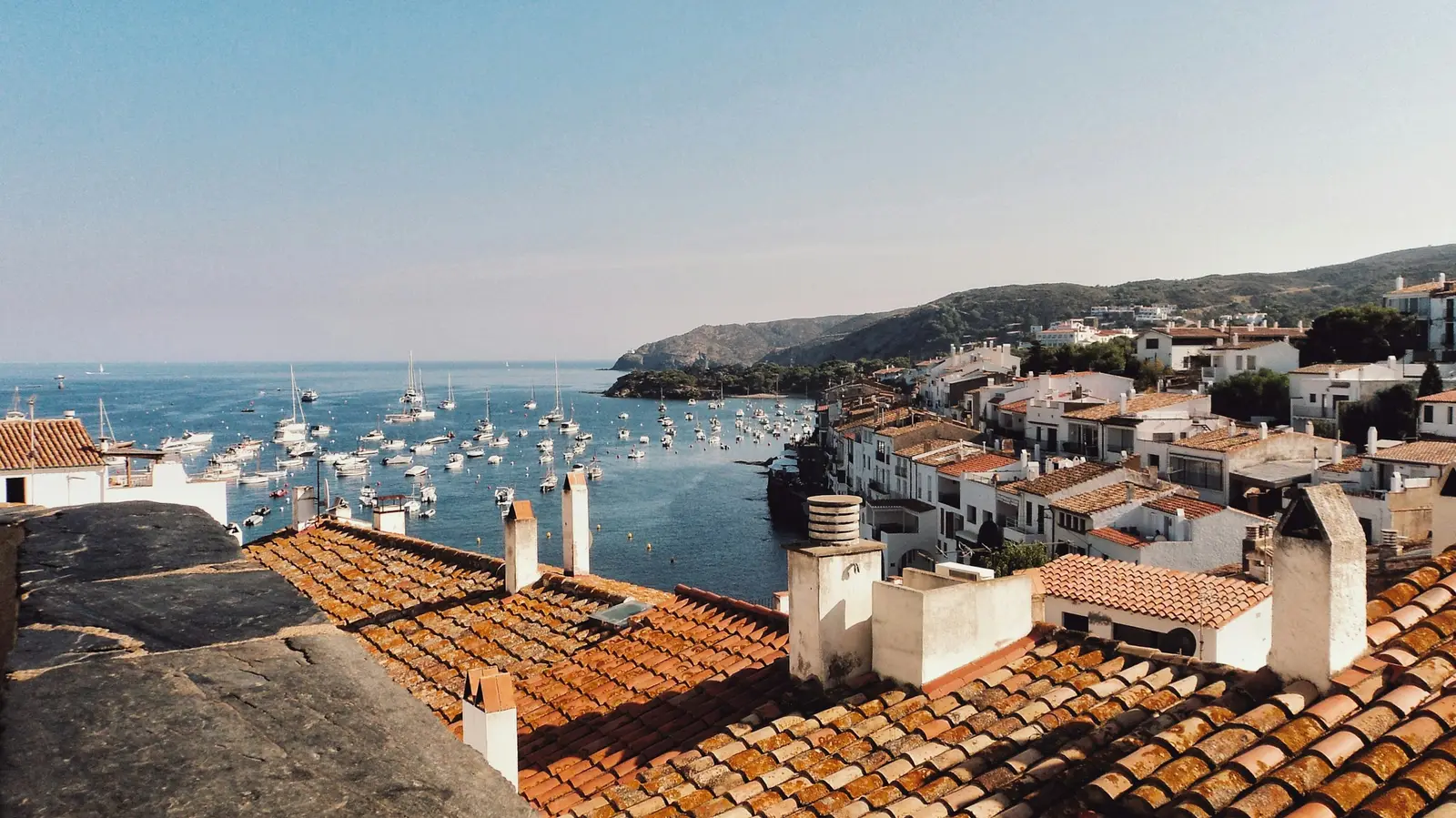
Ibiza
The island is small enough that orientation decides everything. The west coast — Cala Comte, Cala d’Hort, Benirràs — looks straight out at open sea with Es Vedrà standing off it, and from May to September the sun sets into the water there with nothing in the way. That is the famous Ibiza and it is genuinely as good as the photographs. The east coast and Dalt Vila do the opposite: the walled town sits on a hill above the harbour facing east, so it is lit at six in the morning, empty, cool, and looks like a different island entirely. What nobody says is how much of the year that works and how little of it is bookable. In July and August the road to Cala Comte is a queue from seven in the evening, there is no parking within a kilometre, and a hundred people are standing where the photograph is. The same location on a Tuesday in late May, or the third week of September, is empty. The island’s season and its photographic season overlap by about six weeks, and they are not the same six weeks.
Explore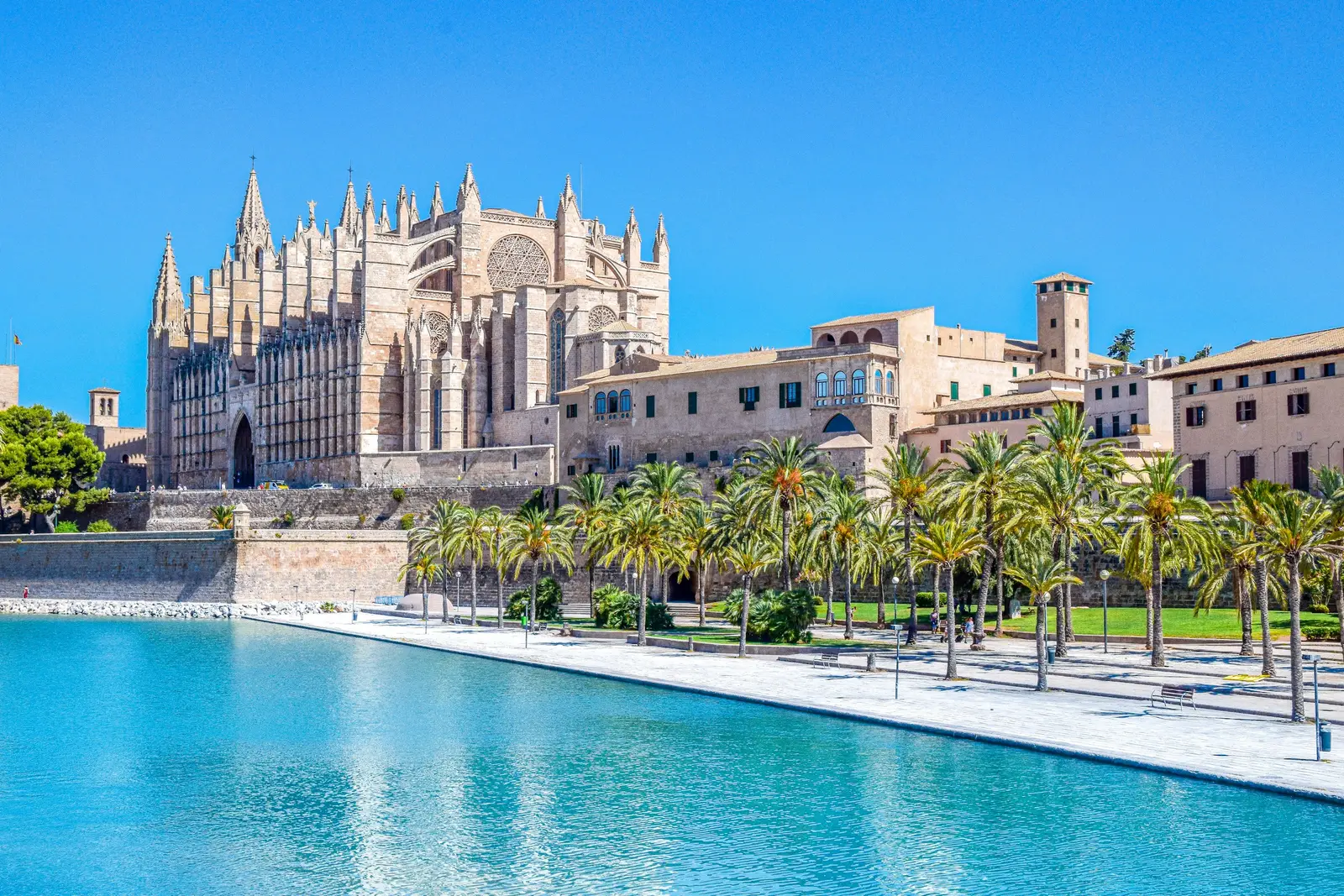
Mallorca
The Serra de Tramuntana runs the whole north-west coast, fifteen hundred metres of limestone dropping straight into the sea, terraced with olive groves that are nine hundred years old and listed by UNESCO for exactly that. It faces north-west, which means it holds the last light of the day on its seaward side long after the rest of the island has gone flat, and the villages strung along it — Valldemossa, Deià, Banyalbufar — are all stone the colour of the hills they are cut from. The other two islands are the south, which is flat, dry, and edged with the turquoise coves everyone books the flight for, and Palma, which is a working Mediterranean city with a cathedral standing directly on the water. La Seu is worth its own paragraph: it faces south over the bay, so it is lit all day rather than for one hour, and the reflecting pool in front of it doubles a hundred and twenty metres of gothic sandstone. It is the easiest great location in this entire catalogue — no permit, no timing, no queue.
Explore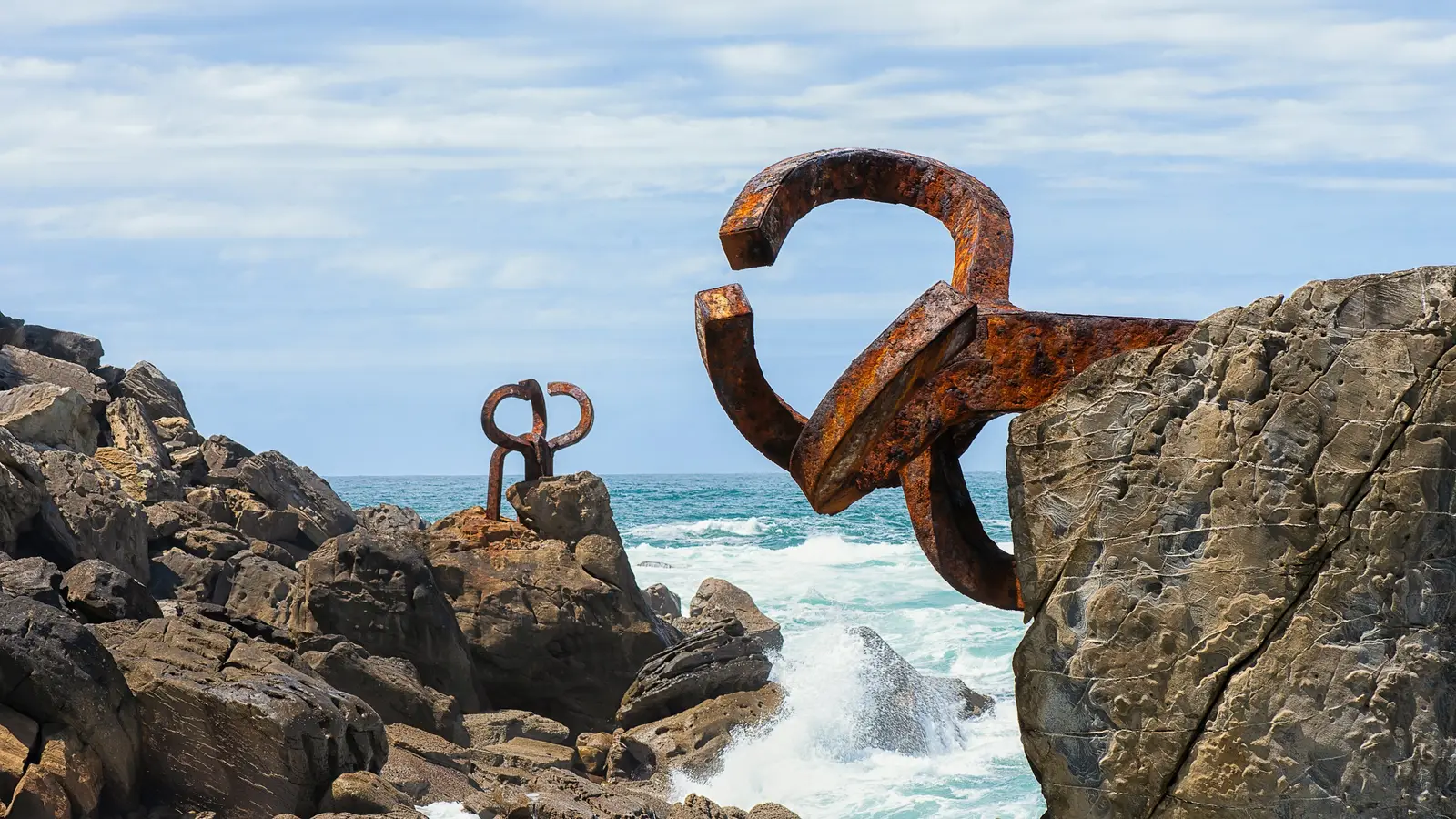
San Sebastián
A north-facing bay never takes direct sun on its own face. What it gets instead is sky — a huge, even, slightly cool source that wraps rather than cuts, the same light a portrait photographer pays a great deal of money to build indoors. That is why La Concha photographs the way it does, and why a session here can start at eleven in the morning without apology while a session in Seville at the same hour cannot happen at all. The city is also small and dense in a way that suits a ninety-minute session. The Parte Vieja, the bay, the Peine del Viento at the western end and the Zurriola surf beach on the other side of the river are all inside a two-kilometre walk, and they look like four different places. The one thing that governs everything is the Atlantic: rain roughly one day in three, and a swell that in autumn throws water fifteen metres up over the sea wall at Chillida’s sculptures, which is either the reason you came or the reason you are standing further back.
Explore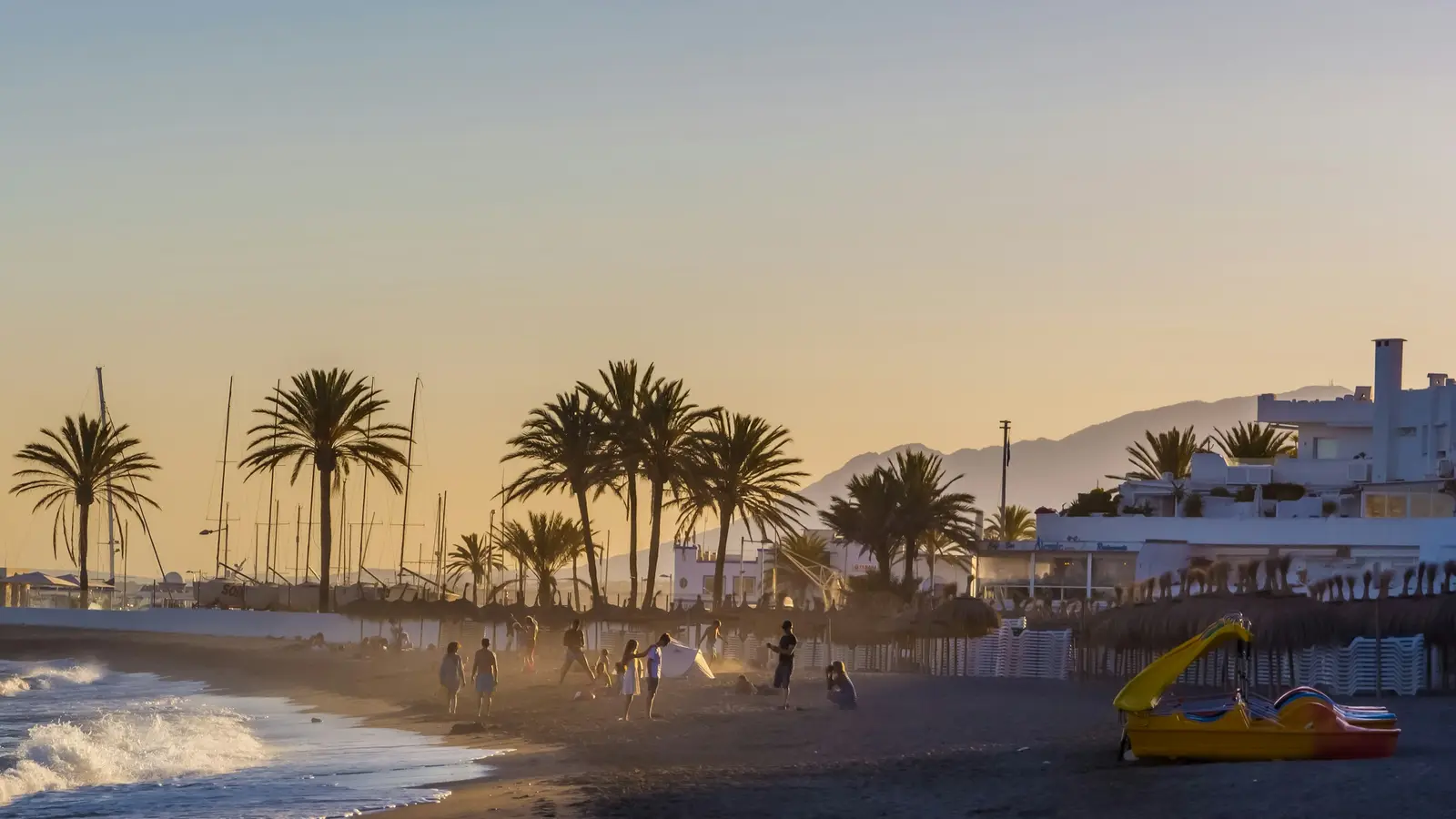
Marbella
What Marbella sells is a strip of hotels, golf and marina between the Sierra Blanca and the sea, and photographically that strip is the least interesting thing here. The mountain behind it is 1,200 metres of white limestone that goes pink for fifteen minutes after sunset; the Casco Antiguo, two streets back from the coast road, is a genuine Andalusian old town of whitewash, geraniums and orange trees that most visitors never walk into; and the beaches west of the centre are wide, west-facing and empty at seven in the morning. The reason to work here is a practical one rather than a romantic one: this is where the weddings are. Villas with grounds, hotels that have done four hundred of them, a caterer and a florist who answer the phone in English, and a season that runs from April to October because the weather is more dependable than anywhere else on this list. The photographic decisions that follow are all about heat and about where the mountain shadow falls, because from six in the evening the Sierra Blanca starts putting half the town into shade while the sea is still in full sun.
Explore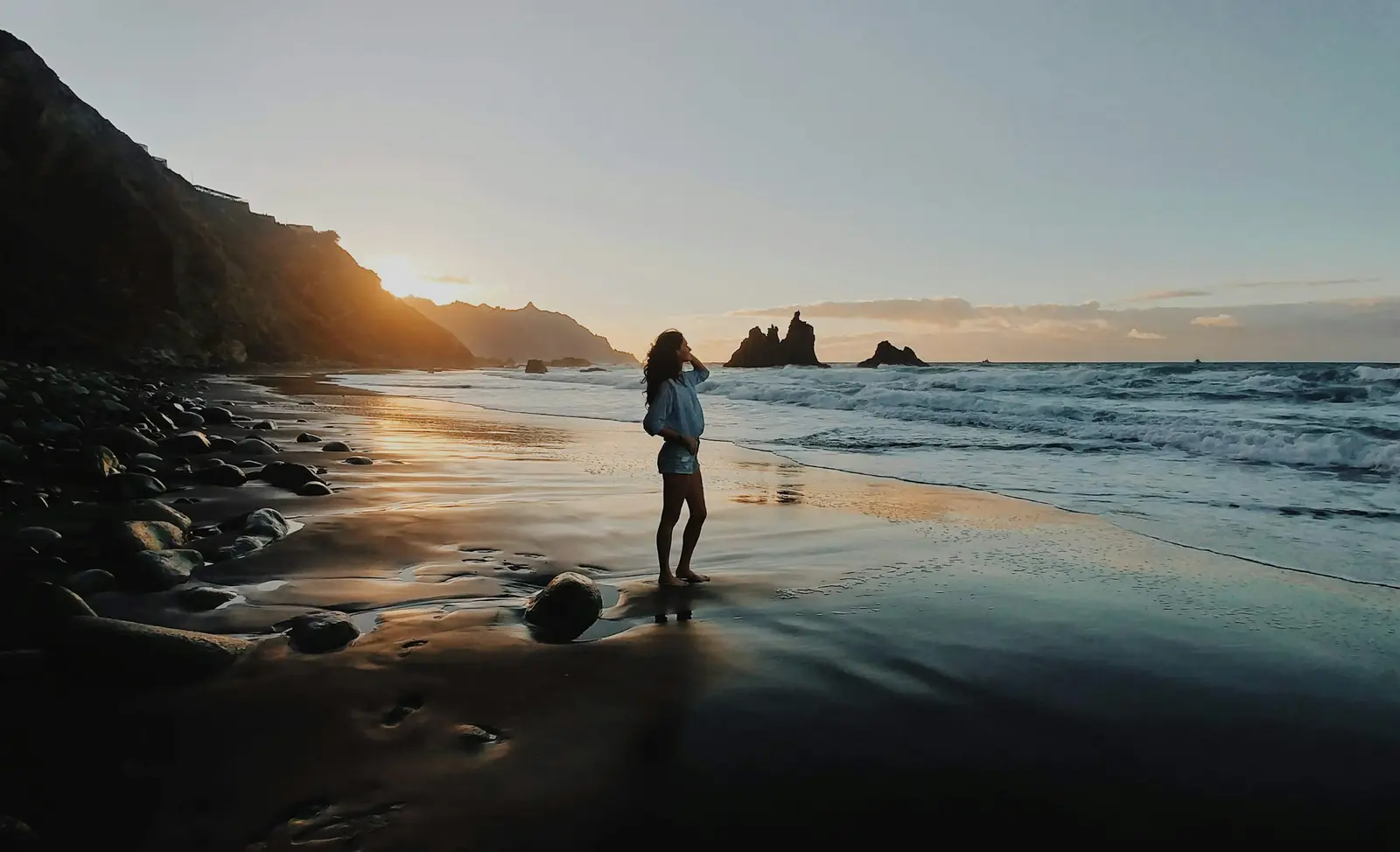
Tenerife
The trade winds come from the north-east and hit the island’s north coast, where they rise, cool and condense. The result is a permanent shelf of cloud at about 1,200 metres on the northern half — the mar de nubes — and a green, humid, frequently overcast north with laurel forest on it. The southern half sits in the volcano’s rain shadow and is desert: bare, bright, almost cloudless, three hundred and twenty days of sun. They are forty minutes apart by road. For photography that is an unusual amount of choice in a small space. A morning of soft, diffuse light in the Anaga laurisilva and an afternoon of hard sun on black sand are the same day. And above both of them, from about 2,000 metres up in the Teide caldera, you are over the cloud layer entirely: an ochre lava desert, a volcano, and a floor of white cloud below you with the peak of La Palma sticking out of it a hundred kilometres away. That last one is the photograph people come for and it requires nothing but a car and a two-hour drive.
Explore


About these placesTwelve places, and the difference between them is the hour
- Cities & destinations
- 12
- Cities
- 6
- Travel destinations
- 6
- Travel surcharge
- None
Six cities people live and work in — Madrid, Barcelona, Valencia, Seville, Málaga and Bilbao — and six places people travel to: Granada, Ibiza, Mallorca, San Sebastián, Marbella and Tenerife. The split is not tidy and is not meant to be. Barcelona is a metro that happens to be one of the most-searched photography destinations in Europe, and Granada takes as many local communions as it does honeymoons.
Three of the twelve are islands and they are treated as islands, not as towns. Tenerife is the clearest case: the trade winds put a permanent shelf of cloud over the northern half and leave the south a desert, so "what will the weather be" has no answer without "on which side". Making the page about Santa Cruz instead would describe a city nobody photographs and miss the volcano everybody comes for.
What each page carries is the thing a visiting photographer would not know. Which way a viewpoint faces and therefore which hour it works — the Mirador de San Nicolás in Granada looks east at the Alhambra, so it is an evening location and never a morning one. Whether a site permits a session at all: the Real Alcázar and the Alhambra do not, Park Güell’s monumental zone does not, and a photographer who promises you otherwise is planning to be turned away. Whether the tide decides if a beach exists, which on the Basque coast it does.
Every place is covered by a photographer who lives there, and each page lists the surrounding towns covered from it at no travel charge rather than giving them thin pages of their own.